Infertility and hormonal dysfunctions can affect fertility, emotional balance, and overall health. At CMIB, a multidisciplinary team of endocrinologists and gynecologists identifies hormonal causes of infertility and provides personalized treatments, modern therapies and empathic support to restore balance and achieve a pregnancy.
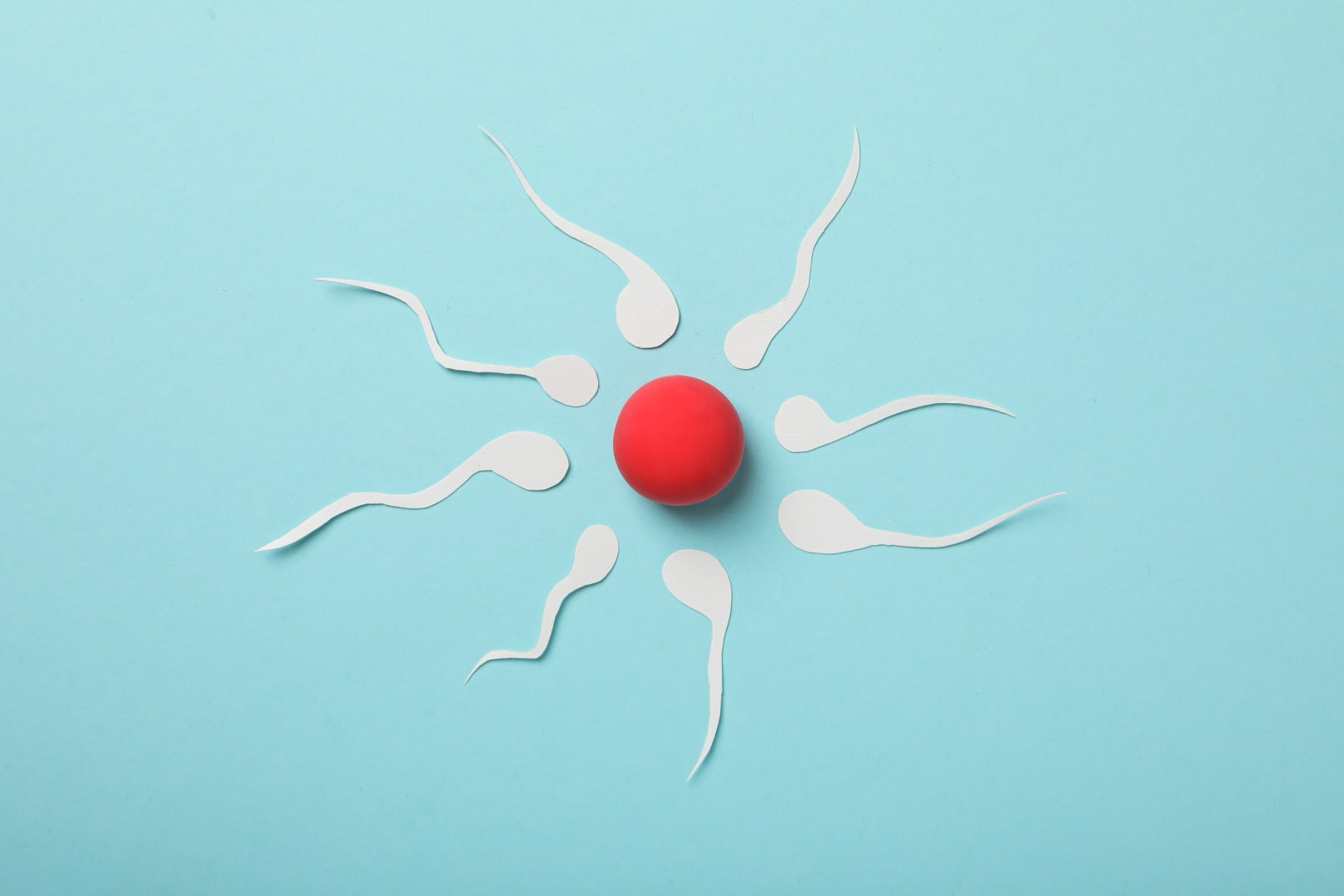
Infertility is defined as the impossibility of getting a pregnancy after 12 months of regular, unprotected sexual contacts. It can be caused by female, male factors or complex hormonal dysfunctions that affect the reproductive system.
Hormonal dysfunctions occur when the body does not produce a balanced amount of hormones necessary for reproductive functions. These imbalances can affect ovulation, fertility, metabolism, and even emotional state.
The main hormones that influence the ability to conceive are:
Any imbalance in the level of these hormones can prevent ovulation, the formation of a receptive endometrium, or the normal functioning of the ovaries and testicles.
Diagnosis begins with a detailed discussion of menstrual, reproductive history, lifestyle, and possible hormonal disorders.
The doctor recommends specific analyzes to assess the levels of FSH, LH, estradiol, progesterone, prolactin, TSH, AMH and testosterone.
It allows to evaluate the ovaries, endometrium and identify ovarian cysts or other abnormalities.
Depending on the case, genetic tests, evaluations of the endocrine glands (pituitary, thyroid, adrenal) or investigations to check ovarian reserves may be recommended.
It is based on the correction of hormonal imbalances through specific medication — hormonal contraceptives, antiandrogens, progesterone supplements or treatment to regulate the thyroid and prolactin.
For women who do not ovulate regularly, the doctor may recommend controlled hormone stimulation therapies aimed at favoring the release of mature oocytes.
Treatment of thyroid dysfunctions and insulin resistance (in SOPC) helps to restore fertility and hormonal balance.
In selected cases (ovarian cysts, endometriosis), minimally invasive interventions (laparoscopy) can be resorted to to to to improving the chances of conception.
If conservative treatments do not give results, IVF remains an effective solution, especially in combination with prior hormonal regulation.
A balanced diet rich in vegetables, quality protein and essential fatty acids helps regulate insulin levels and sex hormones.
Moderate exercise supports hormonal balance, improves circulation and reduces stress, but excessive exertion can have the opposite effect.
Techniques such as yoga, meditation, medical hypnosis, or psychological counseling can help regulate cortisol and prolactin secretion.
Insufficient or irregular sleep affects the secretion of reproductive hormones. A constant rest schedule is essential.
For the duration of treatment, monthly hormonal monitoring and ultrasound are required to assess ovulation.
Hormonal doses and duration of treatment are customized according to the body's response and the goal pursued (getting a pregnancy or stabilizing the menstrual cycle).
Restoring hormonal balance improves ovulation, the quality of oocytes and spermatozoa.
The treatment brings significant benefits on energy, sleep, mood and body weight.
A stable hormonal balance reduces the risk of diabetes, thyroid disease, osteoporosis and metabolic disorders.
If you experience irregular periods, infertility, or symptoms of hormonal imbalance, do not postpone the medical evaluation. Schedule now for a consultation dedicated to infertility and hormonal dysfunctions. Our multidisciplinary team will guide you with care and professionalism towards hormonal balance and the fulfillment of the desire to become a parent.