Hematological analyzes are essential for assessing blood health. We offer comprehensive tests to identify anemias, infections or hematological disorders.
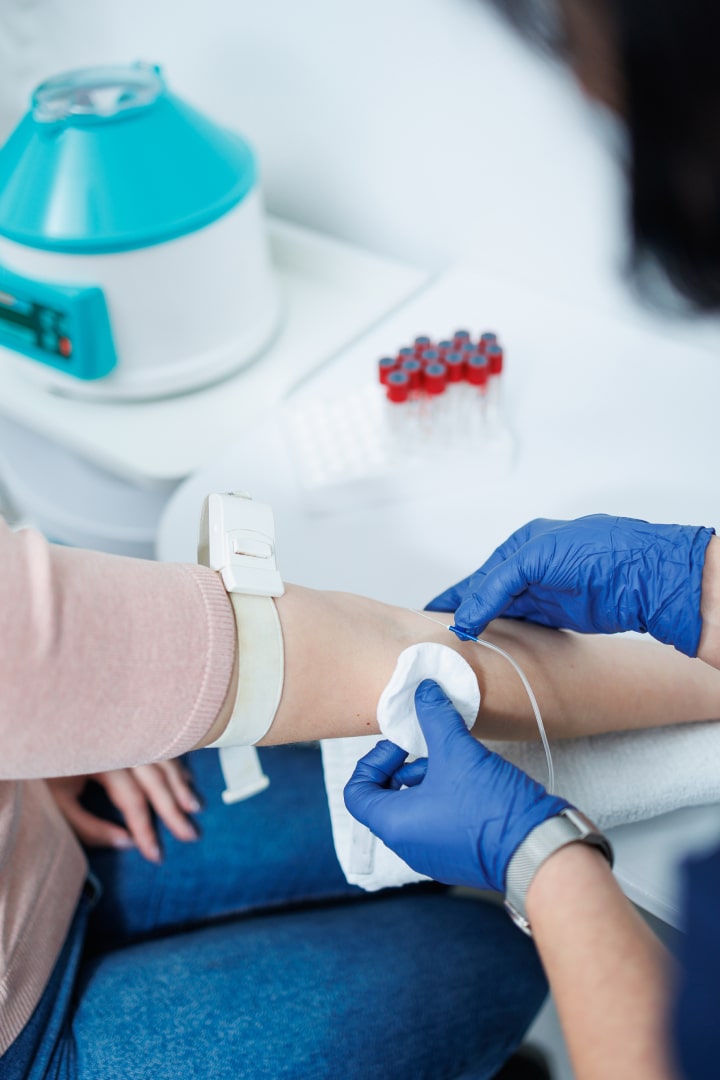
Hematological tests are designed to assess the composition of the blood and certain mechanisms that are essential for the functioning of the body, such as oxygen transport, defense against infections and clotting. The best known of them is the complete hemoleukogram, also called CBC or FBC, which measures the number and some characteristics of red blood cells, white blood cells and platelets.
Hematological analyzes are recommended when there are symptoms such as marked fatigue, pallor, dizziness, frequent bruising, unusual bleeding, repeated infections, fever without a clear cause, or when the doctor notices changes that may suggest a problem in the blood. They are also useful in routine check-ups, in monitoring already known conditions or before certain treatments and interventions.
Assessment of basic blood parameters
Recommendation of appropriate analyzes according to symptoms and clinical context
Interpretation of hemoleukogram and other hematological tests
Correlation of analyzes with the clinical picture and with other investigations
Personalized plans for monitoring and medical guidance
Blood has several components, each with an essential role. Red blood cells carry oxygen, white blood cells participate in defense against infections, and platelets contribute to clotting. That is why a change in these values can suggest very different problems, ranging from anemia and infection to clotting disorders or other hematological conditions.
For a correct assessment, it is important to follow some essential steps:
Let's describe the symptoms and when they appeared.
Let's evaluate, together with the specialist doctor, the medical history and the treatments followed.
Let's carry out the recommended analyzes according to the clinical context.
Let's interpret the results together with the doctor, not in isolation.
Let us periodically re-evaluate the analyzes when monitoring is necessary.
1.Complete hemoleucogram is one of the most common hematological analyzes. It measures, among other things, the number of red blood cells, white blood cells and platelets, hemoglobin and hematocrit, providing useful information for the detection of anemia, infections and other blood disorders.
2.Hematological analyzes mean not only hemoleukogram. Depending on the symptomatology, the doctor may also recommend tests related to clotting, such as PT/INR, tests to evaluate the causes of anemia such as iron, vitamin B12, folic acid and reticulocytes, or other investigations oriented according to the context.
Among the investigations that may be of importance in hematological evaluation are:
complete hemoleucogram,
hemoglobin and hematocrit,
platelet count and leukocyte formula,
reticulocytes,
coagulation tests, such as PT/INR,
other tests recommended for clarification of anemia or a hematological disorder.
3.An altered result does not automatically mean a serious illness. For example, low hemoglobin values may suggest anemia, but the cause may vary from patient to patient. MedlinePlus shows that anemia can occur through blood loss, insufficient production of red blood cells or their accelerated destruction. Precisely for this reason, the correct interpretation requires clinical context and sometimes further investigation.
4.The values of white blood cells and platelets must also be analyzed in context. An increased or decreased number can occur in very different situations, from infections and inflammation to bone marrow disorders or effects of some treatments. Clinical hematology services frequently use these values to investigate anemia, thrombocytopenia, leukopenia, or other blood abnormalities.
5.Coagulation tests are important when there is abnormal bleeding, risk of thrombosis or anticoagulant treatment. PT/INR is used to evaluate and monitor clotting, especially in certain clinical or therapeutic contexts.
We ask the question of haematological analyses when suggestive symptoms occur, when there is suspicion of anemia, infection, bleeding or clotting disorder, when other tests are altered, or when it is necessary to monitor a treatment or an already known condition. In all cases, the results must be integrated into a complete medical evaluation.
At CMIB, we carefully evaluate hematological analyzes and integrate them into a clear, personalized and oriented approach to correct diagnosis and monitoring. Make an appointment for a consultation and find out which haematological tests are recommended in your case.

Hematological analyzes are investigations that evaluate blood cells and, in some cases, coagulation parameters. They help detect anemia, infections, bleeding disorders and other blood disorders.
The complete hemoleucogram, also called CBC or FBC, is a group of tests that measure the number and some characteristics of red blood cells, white blood cells and platelets.
It is used to check general health and help detect problems such as anemia, infections or other hematological disorders.
It may be a clotting disorder or other situations that require medical evaluation. Interpretation depends on the clinical context and the other outcomes.