Advanced investigations for the assessment of male reproductive potential. We offer precision analyses such as spermogram, spermoculture and DNA fragmentation tests, along with essential sperm processing and selection procedures for successful fertility treatments (IUI, IVF, ICSI). All in a discreet and professional setting.
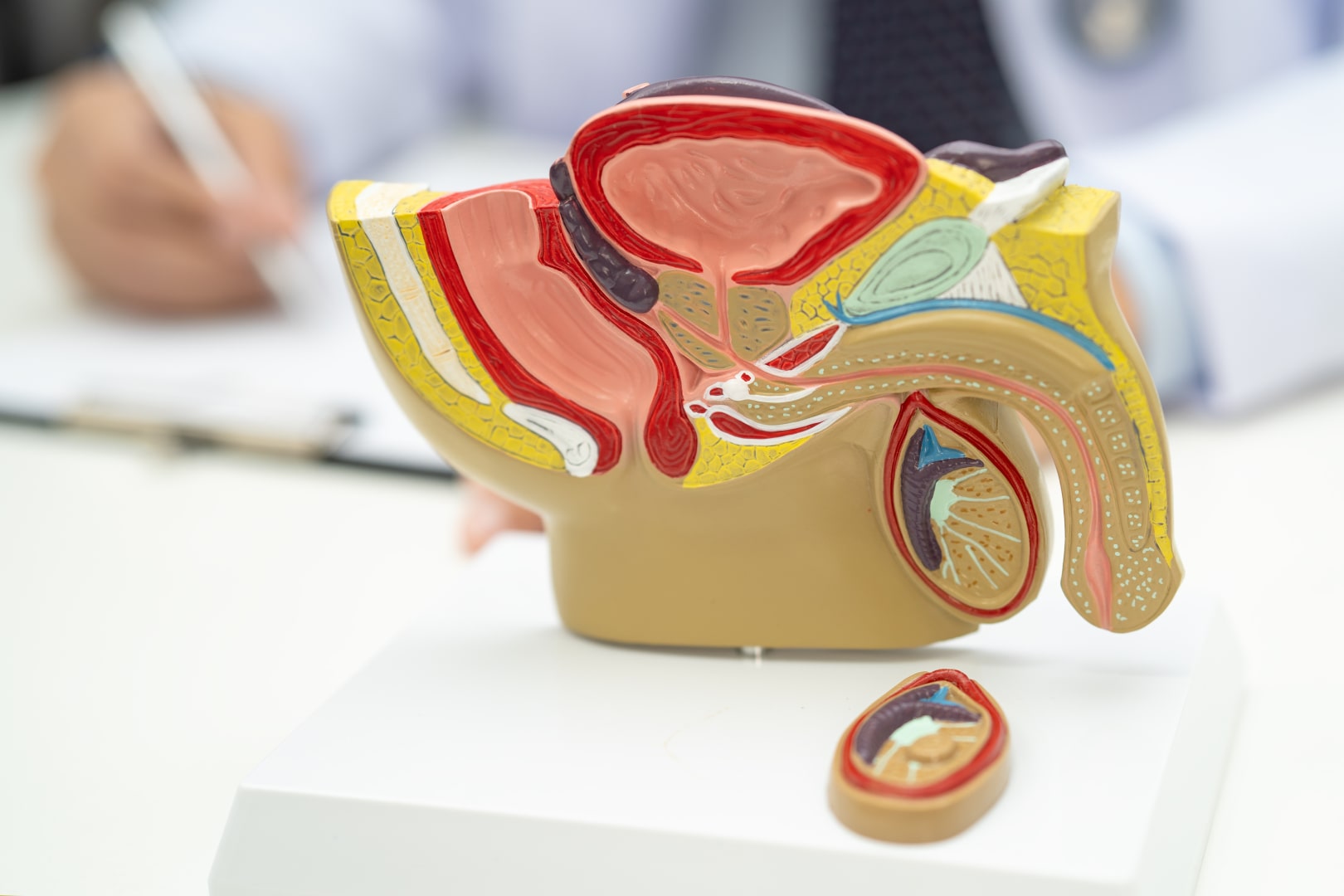
Andrology deals with the prevention, evaluation, diagnosis and treatment of male reproductive system disorders and male sexual health problems. This specialty includes male fertility, erectile dysfunction, Peyronie's disease, some male hormonal disorders, and other problems that affect reproductive or sexual function. At CMIB, each patient receives a careful assessment, tailored to their symptoms, medical history, and personal or reproductive goals.
It is recommended to consult an andrology specialist when there are difficulties in getting pregnant, changes in sperm, erectile dysfunction, decreased libido, suspicion of low testosterone, penile pain or curvature, ejaculation disorders or other symptoms that affect sexual and reproductive life. In the case of infertility, the male assessment is important because the male factor frequently contributes to the difficulties of conception.
Andrology Consultation
Assessment of male fertility
Interpretation of spermogram and other recommended investigations
Assessment of Erectile Dysfunction and Other Male Sexual Disorders
Assessment of male hormonal imbalances
Personalized plans for monitoring, treatment and medical guidance
Andrology has an important role both in assessing male fertility and in understanding the causes of symptoms such as erectile dysfunction, abnormal ejaculation or hormonal changes. Some problems are transient or easily treatable, and others require more thorough investigations and a phased approach. That is precisely why specialist consultation is important to establish correct conduct.
For a correct assessment, it is important to follow some essential steps:
Let's describe the symptoms as accurately as possible and since they appeared.
Let's evaluate, together with the specialist doctor, the medical, sexual and reproductive history.
Let's carry out the recommended investigations according to the context.
Let's interpret the results as a whole, not in isolation.
Let us periodically reassess the situation when treatment or monitoring requires it.
1.In the case of male infertility, the evaluation usually starts from the reproductive history and at least one spermogram. The Mayo Clinic shows that male infertility can be caused by low sperm production, abnormal sperm function, or blockages that prevent sperm from being transported. Depending on the result, the doctor may recommend further investigations, including scrotal ultrasound or further tests to clarify the cause.
2.Andrology is not limited to fertility. In specialized centers, this specialty also includes the evaluation of erectile dysfunction, Peyronie's disease, priapism, genital reconstruction and other diseases of the penis or male reproductive apparatus. Thus, the andrologist can orient both the medical evaluation and the conservative or interventional treatment options, depending on the problem.
Among the problems commonly evaluated in andrology are:
male infertility,
erectile dysfunction,
Peyronie's disease,
ejaculation disorders,
decreased libido and suspicion of hypogonadism,
other disorders of male sexual and reproductive health.
3.In terms of male hormonal health, some symptoms that may suggest low testosterone include decreased sexual desire, erectile dysfunction, infertility, reduced bone mass, or other general changes in well-being. However, these symptoms do not alone confirm a diagnosis, and the hormonal assessment should be done by the doctor in the context of the entire clinical picture.
4.General recommendations for patients interested in andrological evaluation include:
referral to a consultation when symptoms persist or impair quality of life,
conducting investigations recommended by the doctor,
bringing previous analyzes and results to the consultation,
understanding that fertility and sexual function can be influenced by many factors,
following the monitoring or treatment plan established after the evaluation.
In the case of erectile dysfunction, some NHS clinical sources also stress the role of vascular, metabolic and lifestyle factors, which is why assessment may go beyond simply treating the symptom and include a broader approach to male health.
5.When do we ask ourselves the question of an andrological evaluation?
When there are difficulties with conception, erection disorders, changes in ejaculation, decreased libido, suspicion of a hormonal problem, pain or penile deformities, but also when the doctor recommends clarifying some abnormal symptoms or results. Andrological evaluation is important both for diagnosis and for finding a solution adapted to each patient.
At CMIB, we approach male reproductive and sexual health with discretion, professionalism and investigations tailored to each case. Make an appointment for an andrology consultation and find out what evaluations are recommended in your situation.

For accurate results, a period of sexual abstinence of 3 to 5 days before sample collection is recommended.
Harvesting is done through masturbation, in a dedicated space within the clinic, which provides complete comfort and discretion to patients.
In general, the result of the spermogram is available within 24 hours, while the spermoculture can take from 3 to 5 days (depending on the time it takes for the bacteria to incubate).
This test is recommended if there is a history of repeated miscarriages or unexplained failures in vitro fertilization procedures, as it evaluates the genetic quality of sperm, not just their external appearance.