Our urology department offers modern therapeutic solutions using imaging diagnostic technologies and minimally invasive treatment methods.
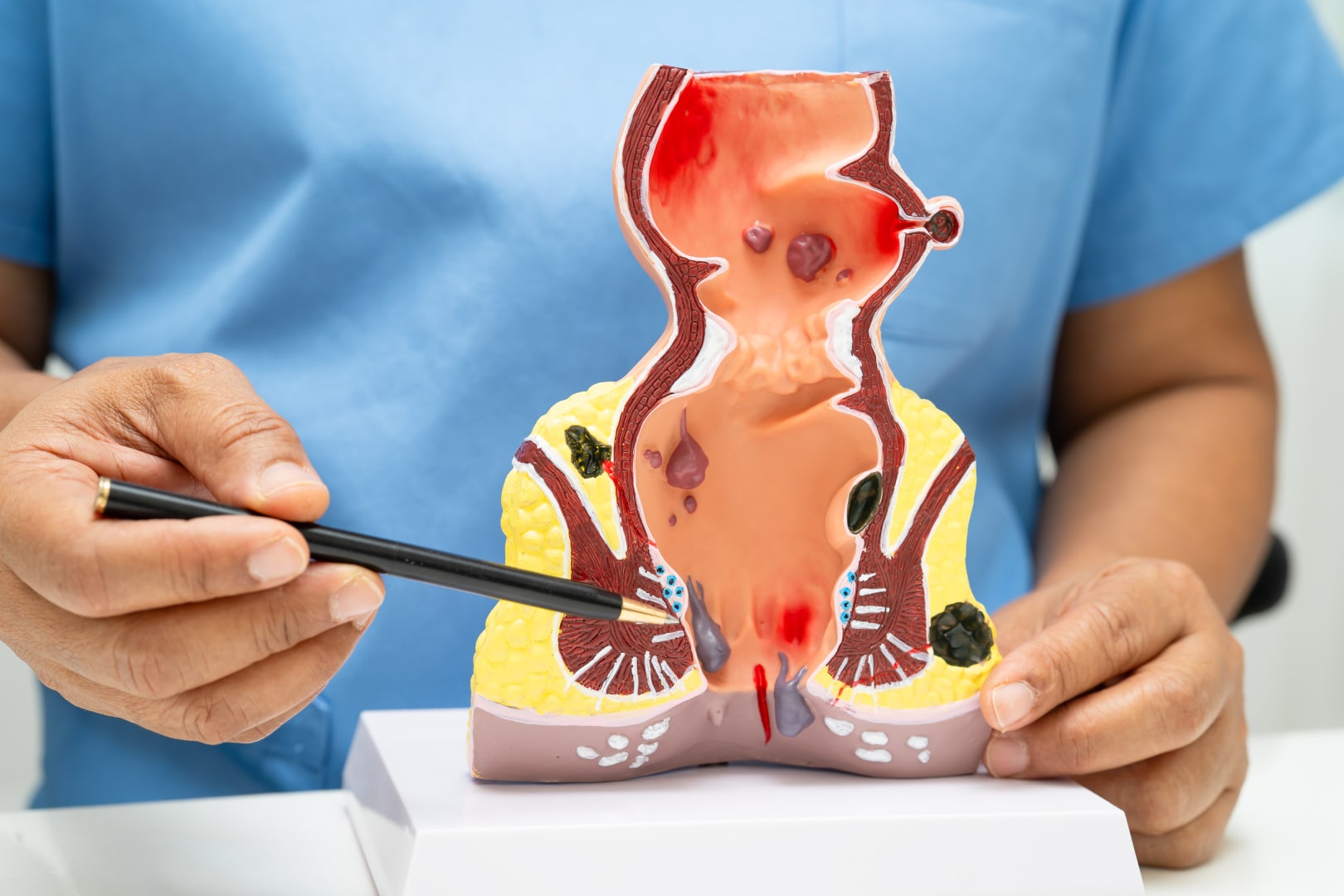
Urology deals with the prevention, evaluation, diagnosis and treatment of diseases of the kidneys, ureters, bladder, urethra and, in men, of the prostate and some structures of the reproductive apparatus. Urologists treat a wide range of problems, including kidney stones, urinary infections, incontinence, bladder emptying disorders, prostate conditions, and some types of urological cancers.
It is recommended that you see a urologist when you have stinging urination, frequent urge to urinate, feeling that you do not empty your bladder completely, poor urine flow, blood in the urine, pain in the lower back or flank, colic, incontinence, or repeated episodes of urinary infections. In men, consultation is also important in the case of prostate related urination difficulties or other low urinary symptoms. Blood in the urine should be evaluated medically, even if it occurs only once.
Urology Consultation
Assessment of urinary symptoms and medical history
Recommendation of appropriate investigations according to symptomatology
Interpretation of analyzes and investigations in a clinical context
Personalized monitoring, treatment and follow-up plans
Urological diseases can significantly affect comfort, sleep, daily activity and quality of life. Sometimes it manifests itself by obvious symptoms, such as pain when urinating, incontinence or renal colic, and sometimes by signs that may seem nonspecific, such as frequent urination, a feeling of incomplete emptying or an urgent need to go to the toilet. Urology has the role of clarifying these symptoms and differentiating functional, infectious, obstructive or lithiasis problems from conditions that require more thorough investigations.
For a correct assessment, it is important to follow some essential steps:
Let's describe as accurately as possible the symptoms and when they appear.
Let's evaluate, together with the specialist doctor, the medical history and risk factors.
Let's carry out the recommended investigations according to the clinical picture.
Let's interpret the results in context, not in isolation.
Let's periodically re-evaluate the situation when symptoms persist or reappear.
1.From the very first stage, it is important to differentiate between frequent but treatable urinary symptoms and alarm signs that require rapid investigation. For example, blood in the urine can be related to infections, kidney stones or an enlarged prostate, but it can also be the first sign of a more serious condition, which is why it must be investigated.
2.Urology is not limited to urinary infections. The urologist also deals with urinary lithiasis, incontinence, overactive bladder, urinary retention, prostate problems, erectile dysfunction and other diseases of the male urinary and urogenital apparatus. The Cleveland Clinic lists kidney and bladder stones, erectile dysfunction, urinary problems, and certain urological cancers among the commonly treated conditions.
Among the conditions and situations commonly evaluated in urology are:
urinary infections,
kidney stones and renal colic,
urinary incontinence and overactive bladder,
difficulty urinating and prostate symptoms,
blood in the urine,
persistent urinary symptoms without a clear cause.
3.Urinary incontinence and symptoms of an overactive bladder are common reasons for presentation to the urologist. The NHS describes several types of incontinence, including exertional, emergency, and incomplete emptying, and the Mayo Clinic shows that overactive bladder causes difficult-to-control urinary urgency, frequent urination, and sometimes involuntary loss of urine.
4.Urinary infections can cause stinging when urinating, frequent urge to urinate, cloudy urine or with blood and pelvic pain. The Mayo Clinic notes that a urinary infection can become more serious if it spreads to the kidneys, which is why persistent or recurring symptoms require appropriate evaluation and treatment.
5.In men, low urinary symptoms after 50 years may be frequently related to an enlarged prostate, but evaluation is needed to establish the exact cause and the right treatment. The NHS mentions that difficulty urinating, frequent urination and nocturnal awakenings in older men may be associated with an enlarged prostate.
When urinary symptoms become persistent, recurrent or are associated with blood in the urine, significant pain, fever, incontinence or difficulty emptying the bladder. Also, the urological consultation is important to monitor already known conditions and to clarify some changes observed in analyzes or imaging.
At CMIB, we evaluate urological health through a careful, personalized and oriented approach to correct diagnosis, monitoring and treatment. Make an appointment for a urology consultation and find out what investigations are recommended in your case.

It is advisable to schedule a visit if you notice blood in the urine, low back pain, burning when urinating, difficulty emptying the bladder, or if you are experiencing fertility and erection problems.
It is recommended that all men over 45 years of age undergo an annual urological check-up and PSA dosing for the early detection of prostate diseases.
Ultrasound is completely painless and non-invasive. Interventions such as testicular biopsy are performed under anesthesia, ensuring the patient's total comfort.
Yes. Although the urologist deals with the male reproductive system, he treats diseases of the urinary apparatus (kidneys, bladder, urethra) in both sexes.