CMIB Medical Genetics offers comprehensive genetic assessments, modern DNA tests and personalized counseling for the detection of hereditary diseases and genetic predispositions. Our team of genetics specialists helps patients understand inherited risks, prevent disease, and make informed health and family planning decisions.
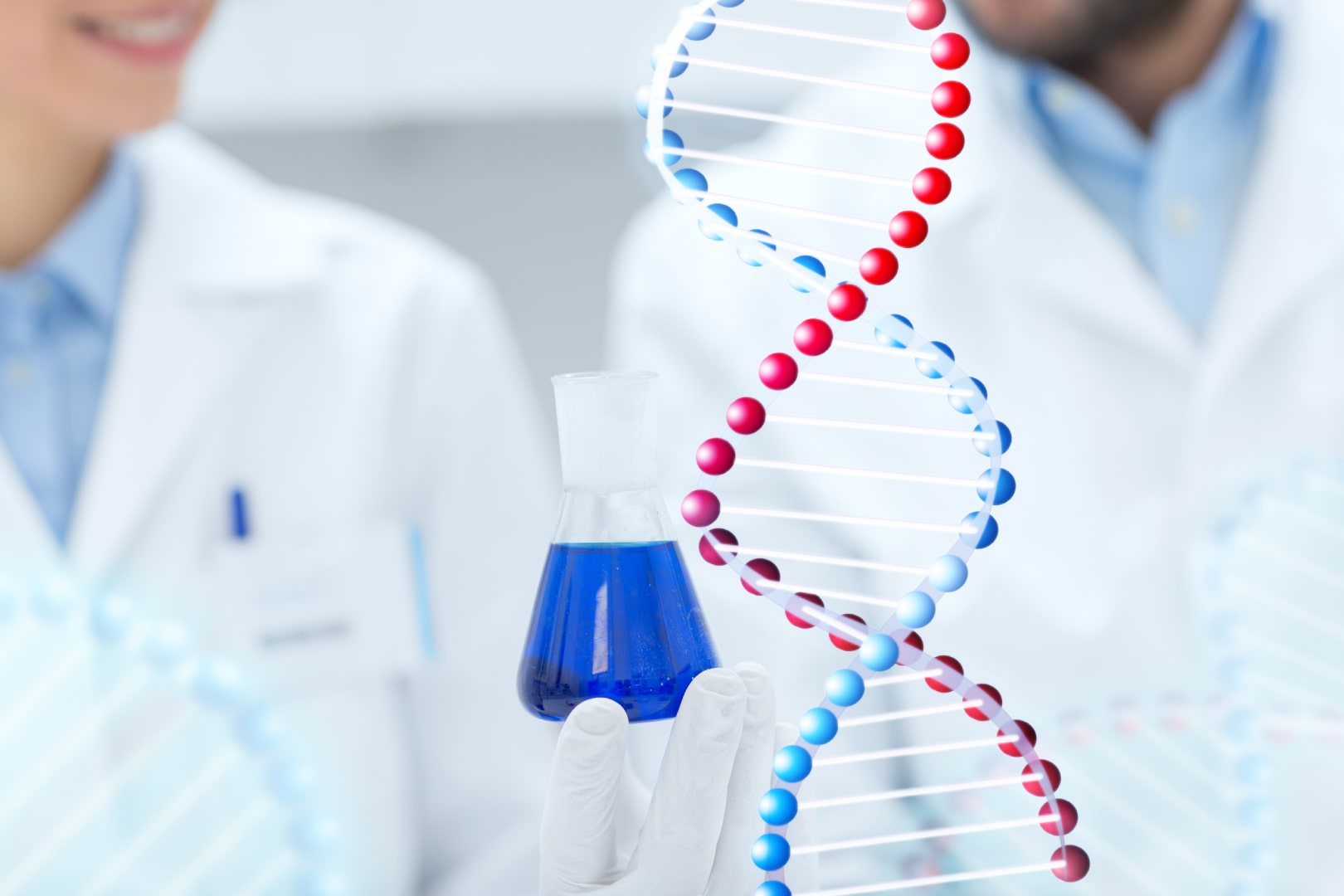
Medical genetics is the branch of medicine that deals with the identification, diagnosis and management of diseases caused by abnormalities in genetic material (DNA). This looks at how genes are passed down from generation to generation and how they can influence the development and functioning of the organism.
Genetic tests allow early detection of hereditary diseases or predispositions to serious diseases, such as cancer, metabolic, neurological or cardiovascular diseases. Medical genetics also plays a crucial role in preventive medicine, providing the opportunity to act before symptoms appear.
Genetic consultation is recommended for couples who want a child, to assess the risk of transmission of some hereditary diseases. During pregnancy, genetic tests can identify chromosomal abnormalities in the fetus, such as Down syndrome, Edwards or Patau.
If there are relatives in the family with genetic diseases or congenital malformations, a genetic consultation can clarify the risk of inheritance and direct the necessary investigations.
Medical genetics is also indicated in cases where other specialties (oncology, neurology, endocrinology, pediatrics) suspect a genetic cause for the patient's symptoms.
The consultation begins with a detailed discussion of the patient's and family's medical history. The geneticist analyzes possible inherited diseases, existing health conditions and other relevant information.
Depending on the case, specific genetic tests may be recommended — blood tests, DNA sequencing tests, genetic karyotyping, or genetic screening panels. Sampling is simple and painless.
The results of genetic tests are analyzed by the specialist and explained to the patient in clear language. The doctor gives recommendations on treatment, prevention, or the need to test other family members.
Identifies genetic mutations that cause an already manifested disease. They are useful in establishing an accurate diagnosis and choosing the right treatment.
Assess a person's risk of developing certain diseases in the future, such as breast cancer (BRCA1/2), colorectal cancer, type 2 diabetes, or cardiovascular disease.
It allows to detect genetic abnormalities in the fetus from the first weeks of pregnancy. Non-invasive fetal DNA tests analyze fetal DNA fragments from the mother's blood without risks to pregnancy.
They are performed on newborns or children for the detection of rare genetic diseases, developmental disorders or chromosomal syndromes.
It determines how the body reacts to different drugs, allowing to personalize the treatment and avoid adverse effects.
Duchenne's disease, cystic fibrosis, muscular dystrophies, Wilson's disease, congenital metabolic diseases.
Mutations of the BRCA1 and BRCA2 genes, Lynch syndrome, Li-Fraumeni syndrome or other predispositions to hereditary cancers.
Down syndrome, Turner, Klinefelter and other chromosomal abnormalities that affect development and fertility.
Advanced sequencing tests can detect mutations involved in over 5000 rare genetic diseases, facilitating early diagnosis and specific treatments.
Genetic tests provide essential information about the causes of diseases, facilitating rapid intervention and personalized treatments.
The results can help assess the risk to family members and establish prevention strategies.
Medical genetics contributes to the development of personalized medicine, adapting treatments to the genetic profile of each patient.
For couples who want children, genetic counseling provides clear information on transmission risks and available solutions, including IVF with genetic screening.
No special training is required. It is useful for the patient to bring the results of previous analyzes, family history of diseases and possible investigations carried out. In some cases, the doctor may request the presence of both partners.
The patient receives a detailed genetic report and personalized medical recommendations. Depending on the result, additional consultations (oncology, endocrinology, pediatrics, etc.) or testing of family members may be indicated.
Medical genetics helps you better understand your biological heritage and prevent the occurrence of serious diseases. Schedule now for a medical genetics consultationand benefit from an accurate diagnosis, specialized counseling and personalized guidance for your health and that of your family.