The implant of intracardiac devices CMIB provides modern solutions for regulating heart rhythm and preventing serious complications. Through minimally invasive procedures, specialized cardiologists implant pacemakers, defibrillators or CRT systems, restoring the safety and efficiency of cardiac activity, with rapid recovery and permanent monitoring.
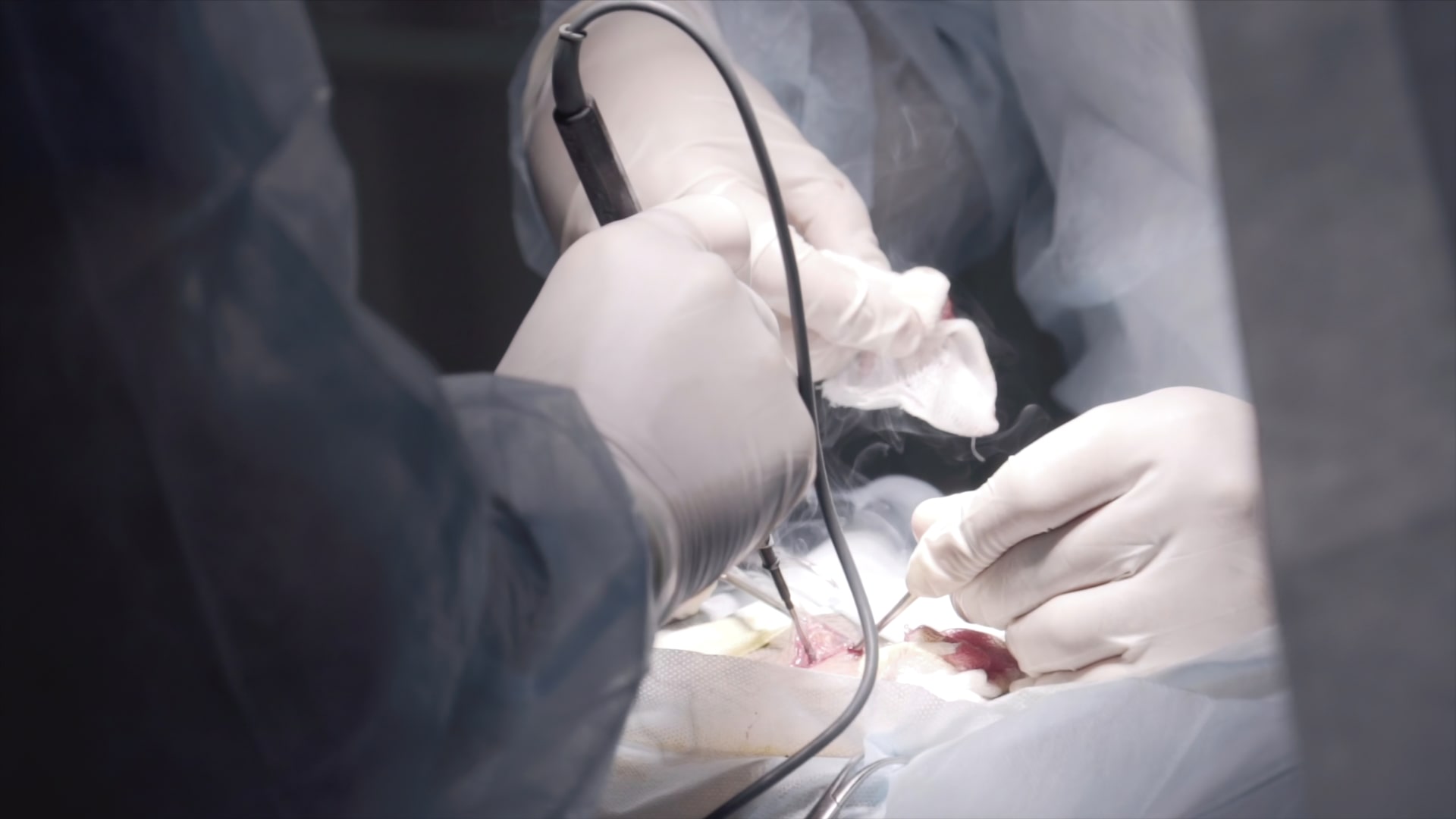
Intracardiac devices are implantable medical equipment that monitors and regulates the electrical activity of the heart. They are used for the treatment of heart rhythm disorders (arrhythmias), heart failure and the risk of sudden cardiac death.
The most common implantable devices are:
The devices are recommended for patients with irregular heart rate, too slow (bradycardia) or too fast (ventricular tachycardia).
In cases of moderate or severe heart failure, resynchronization devices (CRTs) can significantly improve the pumping function of the heart.
Implantable defibrillators (ICDs) are indicated for patients at high risk of fatal ventricular arrhythmias or who have already suffered an episode of cardiac arrest.
If the patient experiences repeated loss of consciousness with no apparent cause, monitoring cardiac activity through implantable devices may be essential for diagnosis.
Before the procedure, the patient is evaluated by electrocardiogram (ECG), echocardiography, blood tests and, if necessary, electrophysiology investigations. The doctor determines the type of device needed depending on the patient's diagnosis.
The implant is performed under local anesthesia and mild sedation, in the interventional cardiology room. The doctor inserts the electrode (conductive wire) through a vein into the heart cavity, then connects the device — the size of a large coin — under the skin in the pectoral area.
The procedure takes, on average, from 45 to 90 minutes and is completely painless. In most cases, the patient can be discharged within 24—48 hours.
After the implant, the device is programmed individually for each patient, depending on the rhythm and cardiac needs. A short recovery period follows, in which extensive arm movements on the implant side are avoided.
The device detects the heartbeat and transmits electrical impulses when the rhythm is too slow. It is commonly used in bradycardia or atrioventricular blocks.
Constantly monitors the electrical activity of the heart and applies an electric shock in case of severe arrhythmia, preventing cardiac arrest.
Used in patients with heart failure, this device coordinates contractions of the ventricles to improve the efficiency of the heart pump.
A small-sized device placed under the skin that records the electrical activity of the heart for diagnosing episodes of syncope or rare arrhythmias.
The patient remains under observation 24—48 hours after the implant. The doctor checks the correct operation of the device and the position of the electrodes through a chest x-ray.
The implant area should be kept clean and dry until complete healing. Avoid strenuous physical exertion and lifting the arm on the implant side for 1—2 weeks.
Intracardiac devices require regular checks (at 1 month, 6 months and annually) to check the operation and battery life. In some cases, the verification can also be done remotely, by telemonitoring.
The battery of a pacemaker or defibrillator lasts from 6 to 12 years, depending on the model and use. Replacement is done through a quick and simple procedure.
Significantly reduces the risk of cardiac arrest and sudden death in patients with severe arrhythmias or heart failure.
Patients feel an increase in energy, a reduction in symptoms (dizziness, palpitations, fatigue) and better tolerance to exertion.
The implant is a short, safe and quick-recovery intervention performed under local anesthesia.
Modern devices provide continuous monitoring of heart rate and transmit data to the doctor, facilitating early intervention in case of irregularities.
Although the procedure is safe, minor complications such as local bleeding, infection at the implant site or electrode displacement can occur in isolated cases. All of these situations are medically manageable.
Patients should avoid exposure to intense electromagnetic fields (industrial equipment, MRI without a doctor's permission) and always notify medical personnel that they have an implanted device.
If you experience arrhythmias, frequent dizziness, or have been diagnosed with heart failure, talk to your cardiologist about the option of a Intracardiac device implant. Schedule a full assessment now and discover modern solutions that can save your life and improve its quality.