Immunological analyzes detect immune system dysfunctions, allergies, autoimmune diseases or chronic inflammation. Results interpreted by specialists.
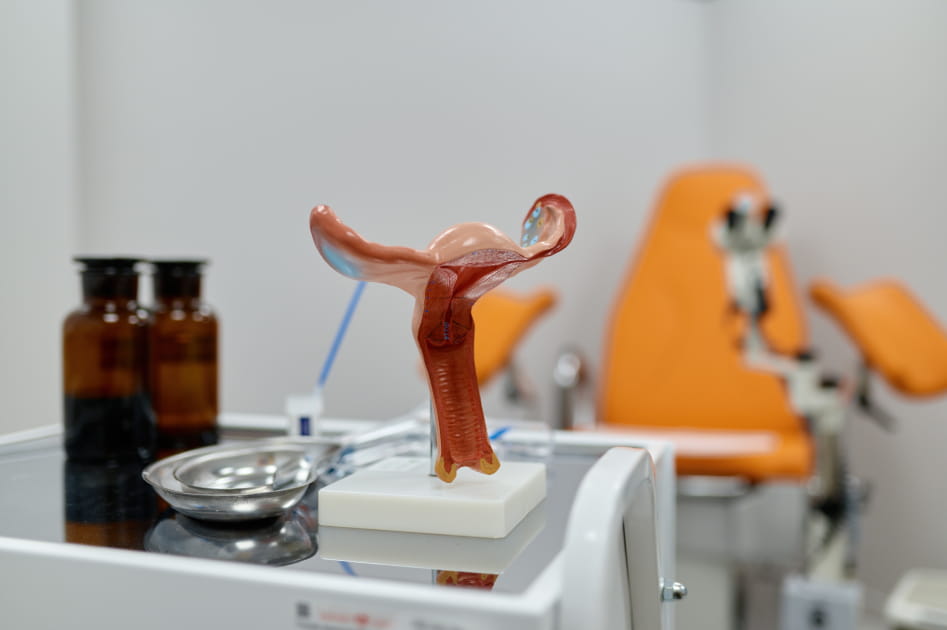
Gynecological analyzes have the role of assessing the health of the female genital apparatus and directing the diagnosis when there are symptoms, clinical changes or the need for preventive control. Depending on the context, they may include secretion examination, tests for infections, cervical screening by Babes-Pap test and HPV, hormonal analyzes or imaging investigations such as pelvic ultrasound. The results are always interpreted in a clinical context, together with the patient's history and specialist examination.
It is recommended to perform gynecological analyzes when symptoms such as altered vaginal discharge, bleeding between menses, pelvic pain, irregular menstruation, local discomfort, suspicion of infection or when it is time for a preventive check-up. Also, cervical screening is important even in the absence of symptoms, for early detection of cellular changes and HPV infection that can increase the risk of cervical cancer.
Clinical evaluation and interpretation of analyzes in gynecological context
Recommendation of the right investigations according to symptoms and age
Cervical screening by Babes-Pap test and HPV test
Correlation of analyzes with pelvic ultrasound and specialist consultation
Personalized monitoring, prevention and treatment plans
Many gynecological conditions can progress for a while without obvious symptoms, which is why regular check-ups and analyzes recommended by the doctor have an important role in early detection of changes. Cervical screening is not a test for all gynecological problems, but it is essential to prevent cervical cancer by identifying changes that may require follow-up or further investigation.
Depending on the symptomatology, the doctor may also recommend other investigations, such as tests for infections or pelvic ultrasound. Gynecological ultrasound can provide images of the uterus, ovaries, and surrounding tissues, and is frequently used to evaluate pelvic pain, abnormal bleeding, or other clinical suspicions.
For a correct assessment, it is important to follow some essential steps:
Let's describe the symptoms and the timing of their occurrence as accurately as possible.
Let's evaluate, together with the specialist doctor, the gynecological history and risk factors.
Let's carry out the recommended analyzes according to the clinical context.
Let's interpret the results together with the doctor, not in isolation.
Let us periodically reassess the situation, especially in the framework of preventive checks.
1.From the very first stage, it is important to differentiate between screening tests and recommended analyzes for symptoms. For example, the Pap test and HPV test are used to screen the cervix, while other tests may be indicated for infections, abnormal bleeding, or pelvic pain. A pelvic exam or Pap test does not automatically include testing for all sexually transmitted infections; these tests are recommended separately, depending on risk and symptomatology.
2.Gynecological analyzes do not mean a single test, but a set of investigations chosen according to the context. Among them may be cervical screening, tests for vaginal or cervical infections, hormonal analyzes, and pelvic ultrasound. If cervical screening shows changes, the doctor may recommend colposcopy and, if necessary, cervical biopsy for clarification.
Among the investigations that may be of importance in gynecological evaluation are:
Babes-Pap test,
HPV testing,
examination of secretion and other tests for infections,
hormonal analyzes recommended by the doctor,
pelvic ultrasound,
colposcopy, in selected cases.
3.The results should be interpreted according to age, symptoms, history and the reason why they were recommended. An altered result does not automatically mean a serious condition, but may indicate the need for further monitoring, treatment, or investigation. In the case of cervical screening, an abnormal result may require further evaluation, without this automatically meaning cancer.
4.General recommendations for people interested in gynecological health monitoring include:
carrying out regularly recommended checks and analyzes,
presentation to the consultation when new or persistent symptoms appear,
conducting cervical screening according to medical recommendation,
preservation of previous results for comparison,
following the established medical conduct after the interpretation of the results.
In the case of pelvic ultrasound, sometimes a full bladder may be needed before abdominal examination, and some examinations may also include transvaginal abortion, depending on the recommendation and clinical context.
Gynecological analyzes are useful for both prevention and diagnosis and monitoring. They can help detect infections, cervical changes, some hormonal disorders, or other gynecological problems that require supervision and treatment.
5. When do we ask ourselves the question of conducting gynecological analyzes?
When there are gynecological symptoms, when cervical screening is necessary, when menstrual changes occur, pelvic pain, suspicion of infection, or when the doctor recommends a more detailed evaluation. Likewise, these investigations are also useful in the framework of regular check-ups, even in the absence of symptoms, for the maintenance of female health and the early detection of important changes.
At CMIB, we evaluate gynecological health through a careful, personalized and focused approach to prevention, diagnosis and monitoring. Make an appointment for a consultation and find out what gynecological tests are recommended in your case.

Gynecological analyzes include investigations recommended for assessing the health of the female genital apparatus, from cervical screening to tests for infections, hormonal analyzes and pelvic ultrasound.
They are recommended when there are symptoms such as altered secretions, abnormal bleeding, pelvic pain, suspicion of infection or when it is time for preventive gynecological control.
The HPV test looks for high-risk HPV types associated with cervical cancer. It can be done at the same time as the Pap test or using a similar sample.
Yes, in certain situations. Pelvic ultrasound is used to visualize the uterus, ovaries, and surrounding tissues and can complement the gynecological evaluation.