Gyneco-oncology CMIB provides comprehensive services of prevention, diagnosis and treatment of gynecological cancers. With a multidisciplinary team of gynecologists, oncologists and imagists, the patient benefits from comprehensive assessment, modern treatment and psychological support, in a safe and empathetic environment dedicated to women's health.
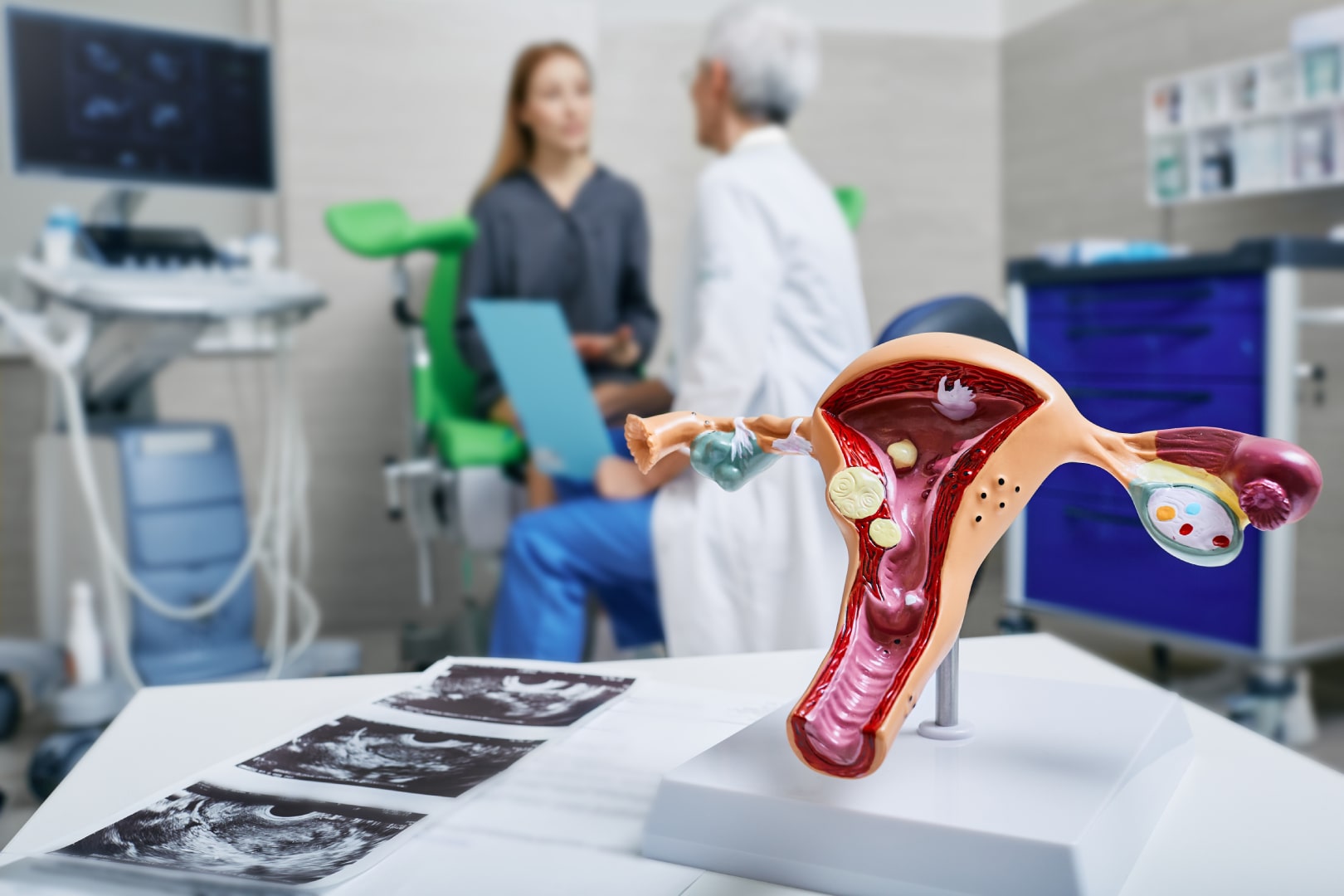
Gyneco-oncology is the medical specialty that focuses on neoplastic (cancerous) diseases of the female genital apparatus — cervix, uterus, ovaries, fallopian tubes, vulva and vagina. The purpose of this discipline is the early detection of injuries, effective treatment and maintenance of the quality of life of patients.
The gynecologist-oncologist not only treats malignant diseases, but also coordinates the process of prevention, screening, diagnosis, surgery, adjuvant treatment and recovery. He works in a multidisciplinary team alongside oncologists, radiotherapists, imagists and geneticists to ensure the best possible care.
Gyneco-oncological consultation is recommended when symptoms such as:
Regular consultations and screening tests (such as the Babes-Pap test, HPV test and gynecological ultrasounds) are essential for early detection of precancerous lesions, when treatment is simple and effective.
Specialist consultation is indicated for women with a family history of gynecological cancer, those with persistent HPV infection, hormonal disorders, exposure to carcinogenic factors or a history of precancerous conditions.
The doctor begins with a detailed discussion of the medical and family history, the symptoms present and possible previous results of gynecological tests.
The consultation may include complete gynecological examination, colposcopy (examination of the cervix with a special microscope), Babes-Pap test, HPV test and transvaginal ultrasound. In suspicious cases, biopsies or additional imaging investigations (MRI, CT, PET-CT) may be recommended.
Based on the results, the doctor establishes the exact diagnosis and recommends the right treatment options, which may include surgery, radiation therapy, chemotherapy or targeted therapies. Each plan is customized according to the type, stage and peculiarities of the tumor.
It is one of the most common forms of gynecological cancer, caused in most cases by infection with the HPV virus. Detection by Babies-Pap test and HPV test can prevent up to 90% of cases.
It generally occurs after menopause and is characterized by abnormal bleeding. Early diagnosis leads to effective treatment, usually surgical.
Often discovered late due to nonspecific symptoms, it requires careful investigation, including genetic tests (BRCA1, BRCA2). It can be treated by surgery combined with modern systemic therapies.
They are rare forms, but can be detected by ultrasound and genetic tests in families with a history of ovarian or breast cancer.
They are rare forms of cancer, detectable by periodic gynecological examination. Treatment includes local surgery, radiation therapy or combination therapies.
Allows detailed visualization of the cervix and identification of suspicious lesions requiring biopsy.
Taking a tissue fragment for histopathological analysis is essential to confirm the diagnosis.
They represent the most important tools for the prevention and early diagnosis of cervical cancer.
Transvaginal ultrasound, pelvic MRI, or abdominal CT help assess tumor extension and plan treatment.
Analyses of BRCA1, BRCA2 and other molecular tests can identify hereditary predisposition to gynecological cancers, helping to personalize treatment.
It is the main method of treatment in most gynecological cancers. Surgery can be conservative (for early lesions) or radical, depending on the stage of the disease.
They are often used in combination with surgical treatment, to destroy the remaining tumor cells and prevent relapse.
They are modern treatments that act selectively on cancer cells, with minimal side effects and promising results in advanced forms.
In addition to medical treatment, patients receive psychological counseling and nutritional recommendations for a full recovery.
Early detection of precancerous lesions greatly increases the chances of cure and reduces the need for invasive treatments.
The patient is evaluated by a full medical team — gynecologist, oncologist, imager, geneticist — for an integrated approach to the case.
Specialized clinics provide not only medical treatment, but also emotional and psychological support for patients who are going through a difficult period.
Your intimate health deserves the best care. If you have unusual symptoms, a family history of cancer, or want to have a preventive evaluation, schedule now for a gyneco-oncological consultation. Our multidisciplinary team provides you with comprehensive assessment, modern treatment and empathetic support every step of the way.