Gastroenterology treats diseases of the digestive system. We offer complete diagnosis and personalized treatment plans.
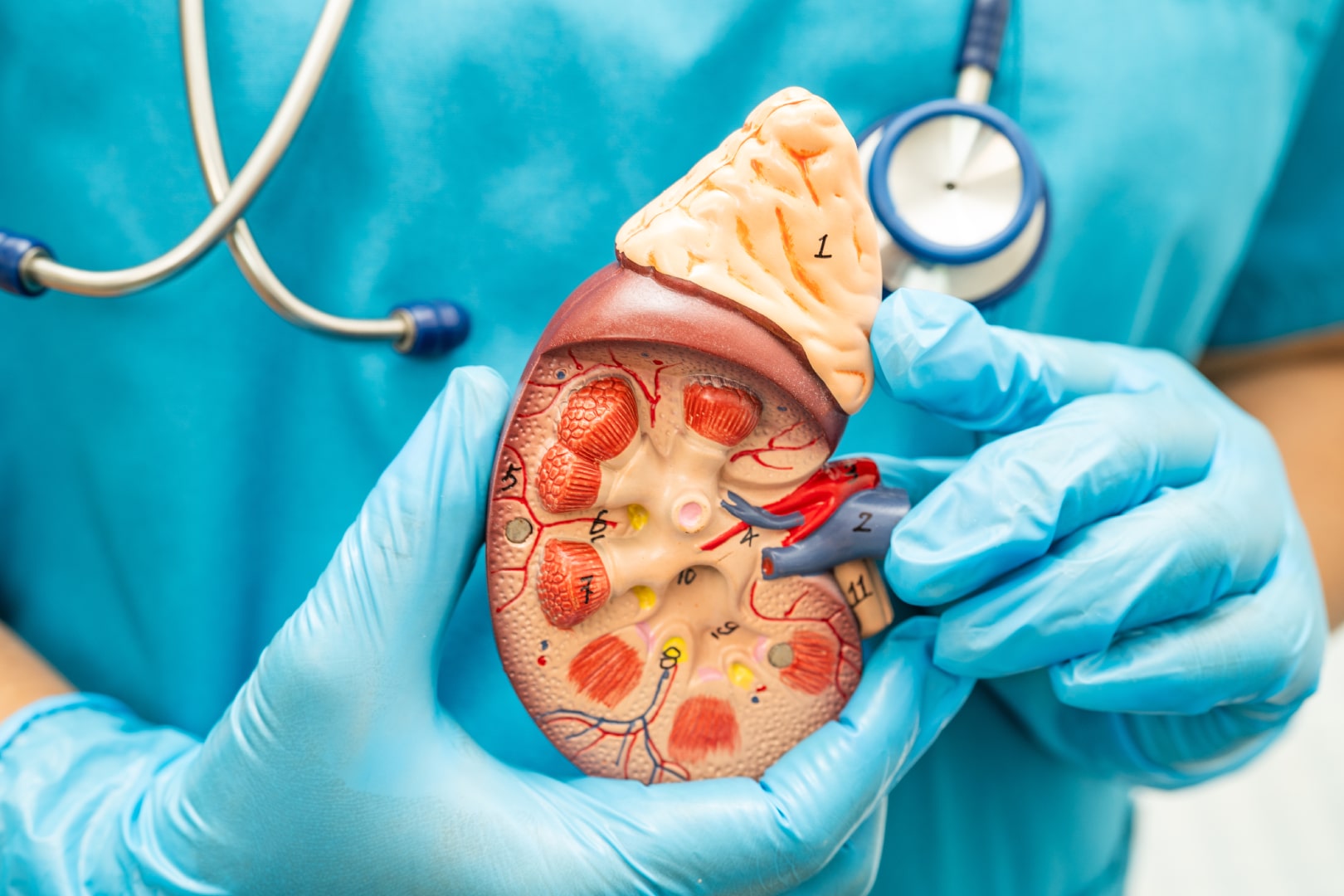
Gastroenterology deals with the prevention, diagnosis and treatment of diseases of the digestive tube and organs associated with digestion. This specialty includes evaluation of the esophagus, stomach, small intestine, colon, liver, pancreas, bile ducts and gallbladder. At CMIB, each patient receives a careful assessment, tailored to their symptoms and medical history, through personalized investigations and recommendations.
It is recommended that you see a gastroenterologist when you have persistent abdominal pain, bloating, heartburn, reflux, nausea, transit disorders such as diarrhea or constipation, a feeling of difficult digestion, blood in the stool, black stools, weight loss without obvious cause, or the feeling that digestive symptoms recur frequently. The consultation is also useful when analyzes or other investigations raise suspicions related to the liver, pancreas, colon or other segments of the digestive system.
Gastroenterology Consultation
Evaluation of digestive symptoms and medical history
Recommendation of appropriate investigations according to symptomatology
Interpretation of analyzes and investigations in a clinical context
Personalized monitoring, prevention and treatment plans
Digestive disorders can be acute or chronic and can significantly affect the quality of life. Sometimes it manifests with easily recognizable symptoms, and sometimes it evolves slowly, with nonspecific signs such as bloating, abdominal discomfort, transit changes or fatigue associated with digestive problems. Gastroenterology has the role of identifying the cause of these symptoms and differentiating functional problems from inflammatory, structural or organic conditions.
For a correct assessment, it is important to follow some essential steps:
Let's describe as accurately as possible the symptoms and when they appear.
Let's evaluate, together with the specialist doctor, the medical history and risk factors.
Let's carry out the recommended investigations according to the clinical picture.
Let's interpret the results in context, not in isolation.
Let's periodically re-evaluate the situation when symptoms persist or reappear.
1.From the very first stage, it is important to differentiate between frequent but benign digestive symptoms and alarm signs that require further investigation. For example, blood in the stool, black stools, unexplained weight loss, anemia, persistent vomiting or significant abdominal pain require careful evaluation.
2.Gastroenterology is not limited to the stomach or colon. The gastroenterologist deals with the entire digestive apparatus, including the esophagus, intestine, liver, pancreas, gallbladder and bile ducts. Symptoms such as reflux, abdominal cramps, bloating, diarrhea, constipation or blood in the stool can occur in very different contexts and require individualized evaluation.
Among the conditions and situations commonly evaluated in gastroenterology are:
gastroesophageal reflux and heartburn,
irritable bowel syndrome,
inflammatory bowel disease,
digestive bleeding,
liver and biliary diseases,
persistent digestive symptoms without a clear cause.
3.In some cases, there is not a single test that will immediately establish the diagnosis. For example, for irritable bowel syndrome there is no single confirmatory test, and the doctor may recommend tests to rule out other causes, such as celiac disease, infections or inflammatory bowel disease. That is why the history of symptoms and clinical evaluation are very important.
4.General recommendations for people interested in monitoring digestive health include:
referral to a consultation when symptoms persist or worsen,
conducting investigations recommended by the doctor,
preservation of previous medical analyzes and documents,
following recommendations on diet, lifestyle and treatment,
re-evaluation when new symptoms or alarm signs appear.
Depending on the result, the doctor may recommend laboratory tests, imaging investigations, endoscopic explorations or just monitoring, if the clinical picture allows. This conduct is a reasonable clinical conclusion based on the fact that digestive diseases are diverse and require an individualized approach.
5. When do we ask ourselves the question of a gastroenterological evaluation?
When digestive symptoms become persistent, recurrent or associate with signs that raise suspicions of an important disease, but also when there is a known digestive history that requires monitoring. Gastroenterology is important not only for diagnosis, but also for the prevention of complications and long-term control of digestive disorders.
At CMIB, we assess digestive health through a careful, personalized and focused approach to correct diagnosis, monitoring and treatment. Make an appointment for a gastroenterology consultation and find out what investigations are recommended in your case.

Gastroenterology is the specialty that deals with diseases of the digestive system, including the esophagus, stomach, intestines, liver, pancreas, gallbladder and biliary tract.
Consultation is recommended if you have abdominal pain, bloating, reflux, diarrhea, constipation, blood in the stool, nausea, unexplained weight loss, or other persistent digestive symptoms.
It can assess gastroesophageal reflux, irritable bowel syndrome, inflammatory bowel diseases, liver, pancreatic, biliary diseases, and many other digestive problems.
Yes. Symptoms of reflux and heartburn are a frequent part of the pathology evaluated by the gastroenterologist.