Complete set of investigations, from EKG and Holter (rhythm/voltage) to specific biological markers, for an exhaustive cardiovascular diagnosis.
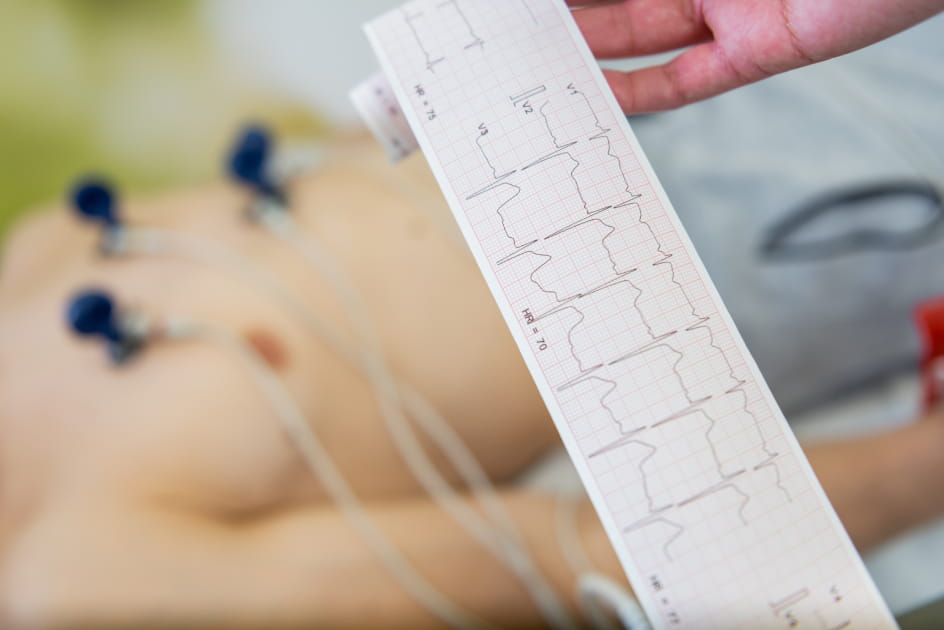
Cardiological analyzes are designed to provide essential information about the state of the cardiovascular system and the factors that can influence heart health. At CMIB, they are part of a complex assessment, carried out according to the patient's history, symptomatology, age and associated risk factors. Their interpretation is always made in the clinical context, in order to correctly orient prevention, diagnosis and treatment.
It is recommended to perform cardiological analyzes when you experience symptoms such as palpitations, chest pain, unusual fatigue, dizziness, shortness of breath, or increased blood pressure values. They are also useful in preventive check-ups, especially after a certain age or in people with risk factors such as high blood pressure, high cholesterol, diabetes, smoking, overweight or a family history of cardiovascular disease.
Clinical evaluation and interpretation of analyzes in the cardiovascular context
Recommendation of appropriate analyzes according to symptomatology and risk
Regular monitoring of parameters relevant to heart health
Correlation of laboratory analyzes with specific cardiological investigations
Personalized prevention, monitoring and treatment plans
Cardiovascular diseases often develop progressively, over several years, and in many cases can progress without obvious symptoms in the early stages. Therefore, cardiological analyzes have an important role in identifying biological imbalances that may contribute to the onset or worsening of a heart condition.
The state of the heart is not only influenced by genetic predisposition, but also by factors such as diet, level of physical activity, stress, smoking, diabetes or elevated cholesterol and blood glucose values. A correct assessment of these parameters can help prevent complications and establish effective control measures.
For an adequate assessment, it is important to follow a few essential steps:
Let's get to know your personal cardiovascular risk factors.
Let's evaluate, together with the specialist doctor, the medical background and the existing symptoms.
Let's carry out the recommended analyzes according to age, history and clinical suspicion.
Let us interpret the results in correlation with the consultation and the other investigations.
Let's periodically re-evaluate important parameters for cardiovascular health.
1.From the first stage, it is important to distinguish between patients without major risk factors and those who already have elements that can favor the onset of cardiovascular disease. People with hypertension, diabetes, dyslipidemia, obesity, sedentary lifestyle, or a family history require closer follow-up and often periodic evaluations.
2.Cardiological analyzes are not just a list of laboratory values, but a tool for assessing the general cardiovascular condition. The doctor may recommend different analyzes depending on the context, to assess lipid metabolism, blood sugar, kidney function, inflammation, electrolyte imbalances, or other markers relevant to the heart and circulation.
Among the parameters that may be of importance in the cardiovascular assessment are:
lipid profile,
blood sugar and glycosylated hemoglobin,
kidney function,
serum electrolytes,
inflammatory markers,
certain specific tests recommended by the doctor depending on the case.
3.The results of the analyzes should be interpreted according to the age, the patient's history, the treatments followed and any associated diseases. A value outside the reference limits does not automatically mean a serious illness, but it may signal the need for a more detailed assessment or closer control.
The values considered optimal differ from patient to patient and are established together with the attending physician, depending on the individual cardiovascular risk.
4.General recommendations for people interested in monitoring heart health include:
regular conduct of analyzes recommended by the doctor,
monitoring blood pressure and risk factors,
adoption of a balanced lifestyle,
quitting smoking,
control of body weight and metabolic values.
Depending on the results, the doctor may recommend lifestyle changes, further cardiological investigations or treatment, when necessary.
Cardiological analyzes are useful both for people who already have a cardiovascular diagnosis, and for those who want to prevent the occurrence of health problems. They provide valuable information about individual risk and the direction in which prevention or treatment measures should be directed.
As cardiovascular diseases do not occur suddenly in most cases, effective prevention is not based on a single assessment either. Careful and regular monitoring of relevant parameters can make the difference between early detection and the occurrence of complications.
5. When do we ask ourselves the question of conducting cardiological analyzes?
When there are suggestive symptoms, cardiovascular risk factors, personal or family history of heart disease, or when a preventive assessment of heart health is desired. Also, these analyzes are important for tracking the progress of patients already diagnosed and for adjusting treatment, when appropriate.
Cardiological analyzes should not be considered in isolation, but as part of a comprehensive medical evaluation. Interpreted correctly, they can help make better medical decisions and protect cardiovascular health in the long term.
At CMIB, we assess heart health through a careful, personalized and focused approach to both prevention and diagnosis and monitoring. Make an appointment for a consultation and find out what cardiological tests are recommended in your case.

It is a genetic marker of the risk of atherosclerosis that is tested only once in a lifetime, its values are constant.
Yes, the device is portable and it is essential to carry out your usual activities for a correct interpretation of the data.
They are recommended when there are symptoms such as chest pain, palpitations, dizziness, fatigue, high blood pressure, or when seeking prevention and monitoring of cardiovascular risk.
Ideal, then. The doctor can determine which investigations are appropriate according to symptoms, history and individual cardiovascular risk.