Cardiac Resynchronization Therapy | CRT at CMIB

Modern treatment of heart failure through the use of biventricular implantable devices, aimed at restoring synchronized pumping of blood.
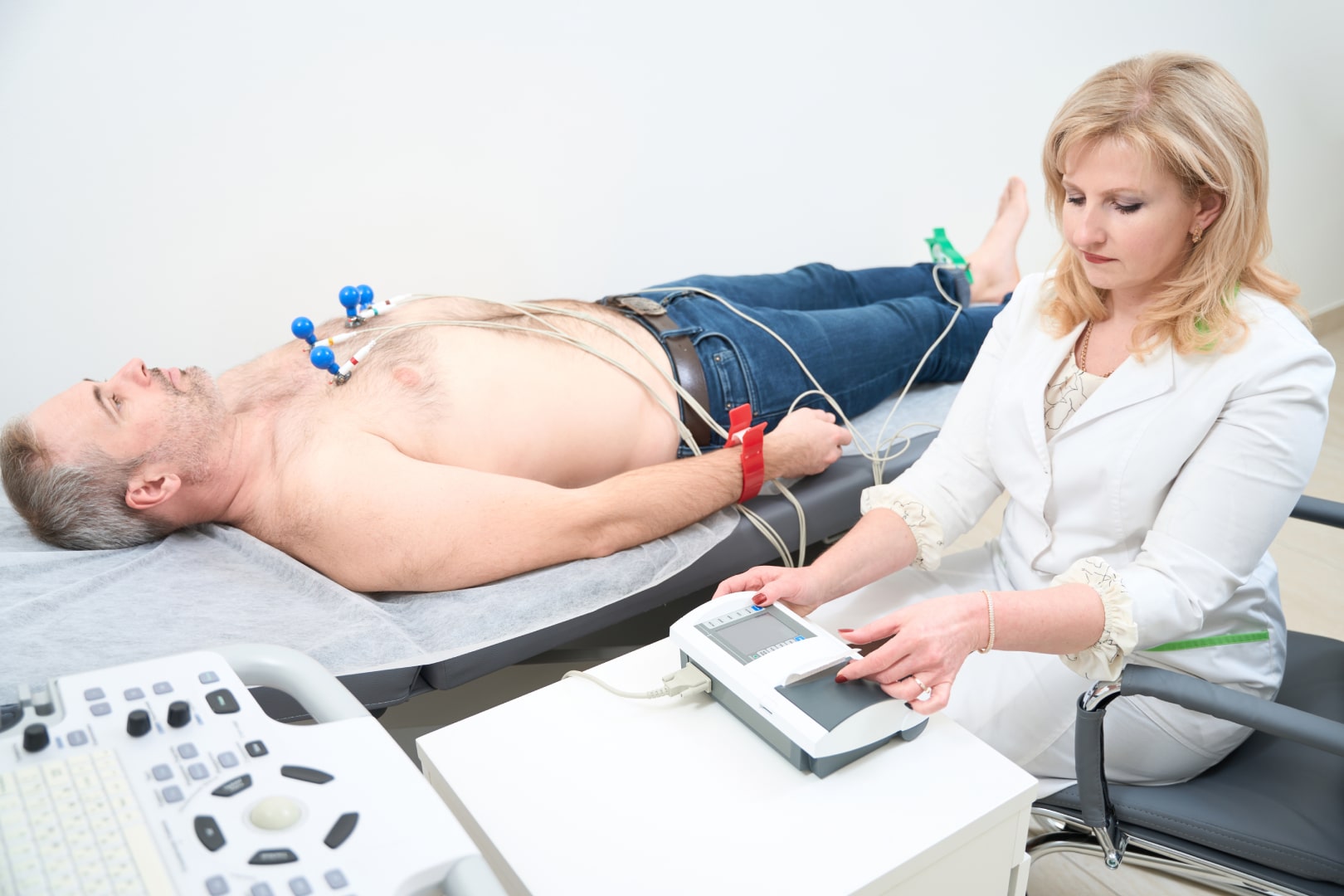
Cardiac Resynchronization Therapy (CRT)

Cardiac Resynchronization Therapy (CRT)is an advanced method of treatment for specific forms of heart failure in which the contraction of the ventricles of the heart is not synchronized. The main goal of CRT is to restore the coordination of ventricular contractions, thereby significantly improving the pumping function of the heart and the patient's quality of life.

What is CRT?

CRT consists in implanting a special cardiac device that simultaneously stimulates the right ventricle and left ventricle. This intervention corrects electrical conduction delay, a problem that occurs frequently in patients with Left Branch Block(situation in which the left ventricle contracts later than the right).

Clinical results of therapy:

  • Coordinated contractions:The heart returns to an efficient pumping rhythm.
  • Increased cardiac output:More oxygenated blood reaches the rest of the organs.
  • Relief of symptoms:Visible reduction in the manifestations of heart failure.

Types of CRT devices

Depending on the specific needs of the patient, two types of devices can be used:

  1. CRT-P (Resynchronization Pacemaker)
    • Synchronizes the ventricles by constant electrical impulses.
    • It is indicated for patients with heart failure who are not at high risk of severe ventricular arrhythmias.
  2. CRT-D (Resynchronized Defibrillator)
    • Combines the function of resynchronization with that of a Implantable Cardiac Defibrillator (ICD).
    • It detects fatal arrhythmias (Tachycardia or Ventricular fibrillation) and can deliver an electric shock to prevent sudden cardiac death.

Main Indications

CRT therapy is especially recommended for patients who meet the following criteria:

  • Heart failurewith low ejection fraction (≤ 35%).
  • Persistent symptoms (such as extreme fatigue or dyspnea) despite optimal drug treatment.
  • Electrical abnormalities on the ECG, such as an interval QRS wide(≥130—150 ms) or left branch block.

Benefits and Impact on Life

Implementation of CRT therapy brings major long-term benefits:

  • Positive cardiac remodeling:Increasing the ejection fraction and reducing the volume of the left ventricle.
  • Improving the ability to exert:Decreased feeling of suffocation (dyspnea) and fatigability.
  • Safety:Reducing the rate of hospitalization and mortality from cardiovascular causes.

Limitations and Monitoring

  • The procedure requires specialized implantation intervention.
  • Periodic monitoring of the device in the cardiology department is essential to adjust the parameters and check the battery.

CRT is a state-of-the-art electrical therapy that “re-tunes” the heart, being considered one of the most important modern solutions for patients with severe heart failure.

Programează-te acum

Frequently Asked Questions

Cardiac Resynchronization Therapy

Who benefits from resynchronization therapy?

Patients with severe heart failure and electrical conduction disorders leading to asynchronous contractions of the ventricles.

Can the device settings be adjusted after the implant?

Yes, periodic monitoring includes checking and fine-tuning the parameters for maximum efficiency.


Together, we write life stories.

For more than 25 years, at CMIB we transform care into results and life stories. Whether you need a consultation, a diagnosis or a personalized medical plan, our team is with you every step of the way.